2. Bad Typography Choices
Typography strongly affects readability and visual hierarchy. Small text sizes, poor spacing, and hard-to-read fonts reduce usability.
Modern websites should use clean typography, proper line-height, consistent spacing, and responsive font sizing.
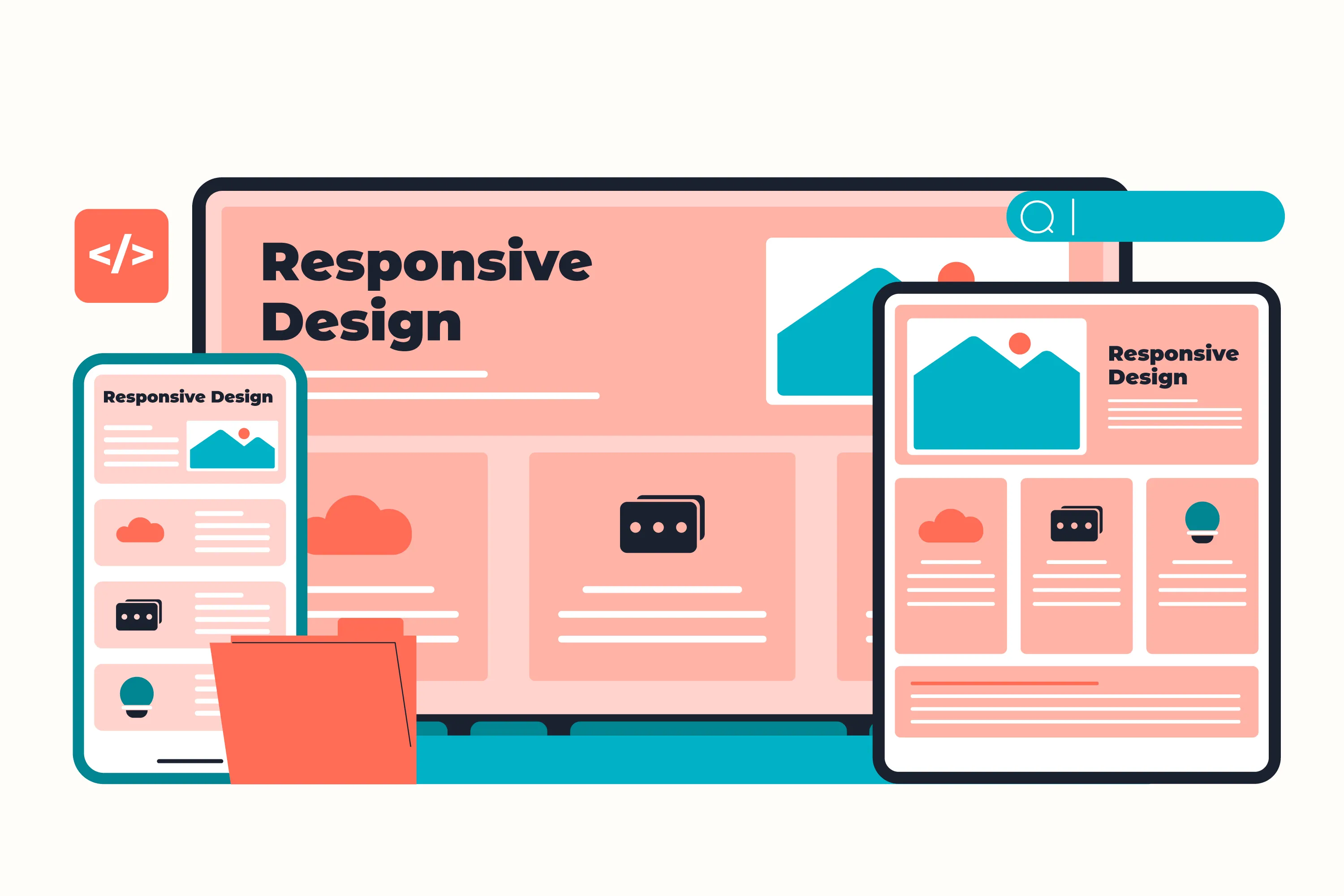
3. Ignoring Responsive Design
Many websites still break on mobile devices or fail to adapt properly across different screen sizes.
Responsive design ensures layouts, images, typography, and navigation work smoothly on every device.
4. Slow Performance
Heavy images, unoptimized JavaScript, and unnecessary assets can significantly slow down websites.
Performance optimization improves user experience, SEO rankings, and conversion rates.
5. Too Many Animations
Animations can improve user experience when used carefully, but excessive motion often becomes distracting and affects performance.
Modern UI animations should feel smooth, purposeful, and subtle.
6. Weak Call To Actions
A website should clearly guide users toward important actions such as contacting, purchasing, or exploring services.
Weak or unclear call-to-actions reduce engagement and make websites feel directionless.
Final Thoughts
Good web design combines usability, responsiveness, performance, accessibility, and visual clarity.
Avoiding these common mistakes helps create websites that feel modern, intuitive, and professional across every device.